Habitat - Artificial Reef

An Artificial Reef with mooring function

Habitat moorings provide refuge cavities and tunnels that attract numerous species of fish and crustaceans, plus bio friendly wall surfaces that support myriad aquatic plants. This oasis effect has been extensively documented at two locations on the Maine coast by Christopher Roy, a Graduate Student at The University of Maine.

In a series of dives spanning 2012 and 2013, Chris and his University of Maine colleagues studied Habitat Moorings at Seal Harbor, on Mt. Desert Island, and Sand Cove, near South Bristol. The team catalogued over 50 species of marine animals and plants aggregating on the moorings. Moreover, the Habitat Moorings showed vastly more marine life and biodiversity than control granite moorings that were located nearby.

Two seasons of field research along the Maine coast
https://habitatmooring.com/wp-content/uploads/2025/03/IMG_0691-1.jpeg

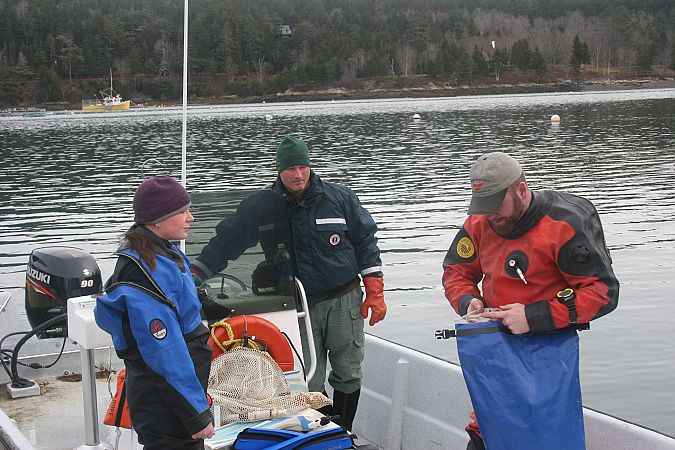
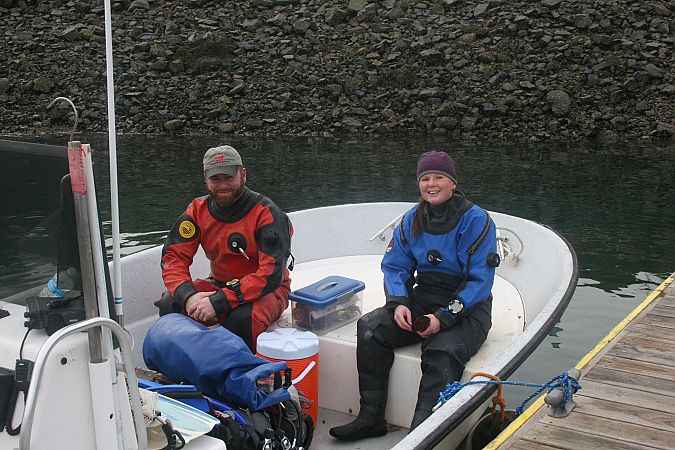
Ready to depart for Seal Harbor

Christopher Roy, Graduate Student at University of Maine and Lee Ann Thayer, Marine Biology Student at University of Maine, ready to depart for Seal Harbor.
https://habitatmooring.com/wp-content/uploads/2025/03/IMG_0687.jpeg

Final check before dive

Lee Ann, Mt. Desert Harbor Master Shawn Murphy and Chris check collection bag before dive.
https://habitatmooring.com/wp-content/uploads/2025/03/IMG_0688.jpeg

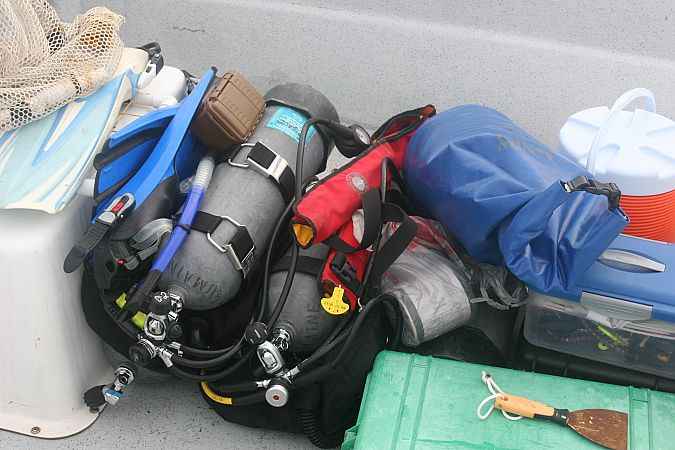
Field study requires a lot of gear

Some of the equipment required for the field study. Note the scraper.
https://habitatmooring.com/wp-content/uploads/2025/03/IMG_2856.jpeg

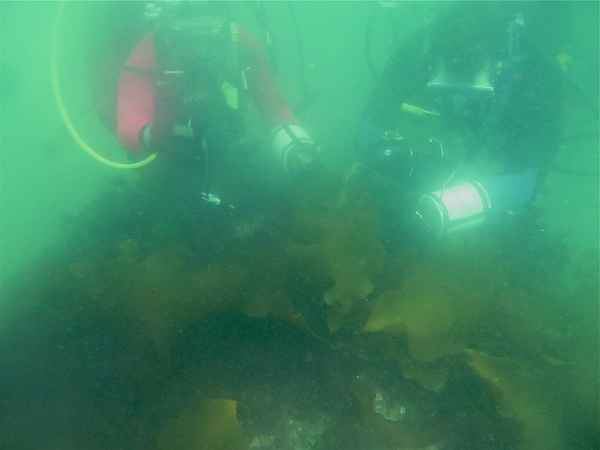
Seal Harbor mooring is overgrown with aquatic plants
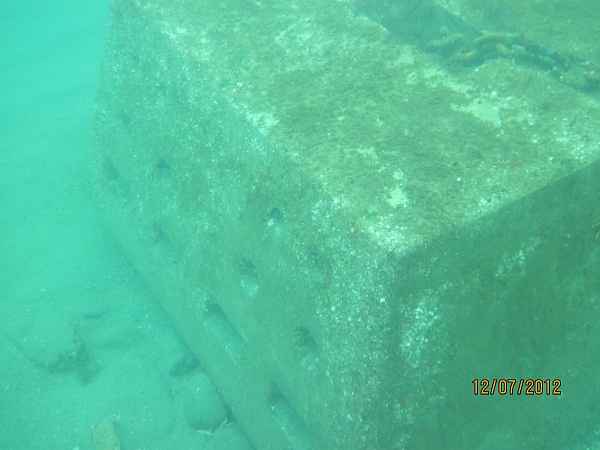
Chris Roy and Lee Ann Thayer approaching a Habitat Mooring at Seal Harbor, Maine. The mooring is completely covered in aquatic plants and virtually unrecognizable.
https://habitatmooring.com/wp-content/uploads/2025/03/IMG_0848.jpeg

Mooring after it has been scraped

The same mooring after Chris and Lee Ann have scraped it clean. They did this in order to study the rate of new growth on the mooring, as compared to a nearby granite block of comparable size.
https://habitatmooring.com/wp-content/uploads/2025/03/IMG_0832.jpeg

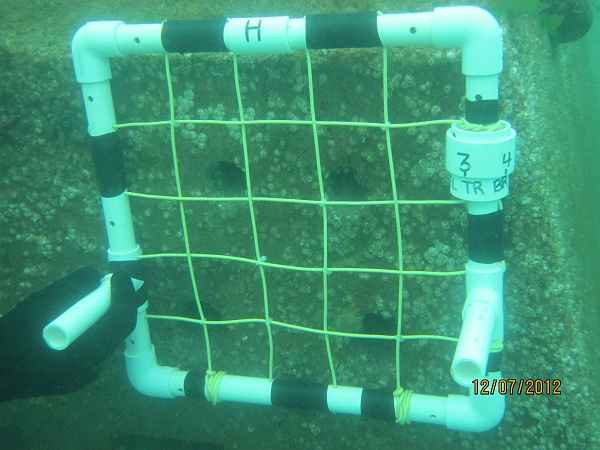
Grid helps divers to cover all the surface areas
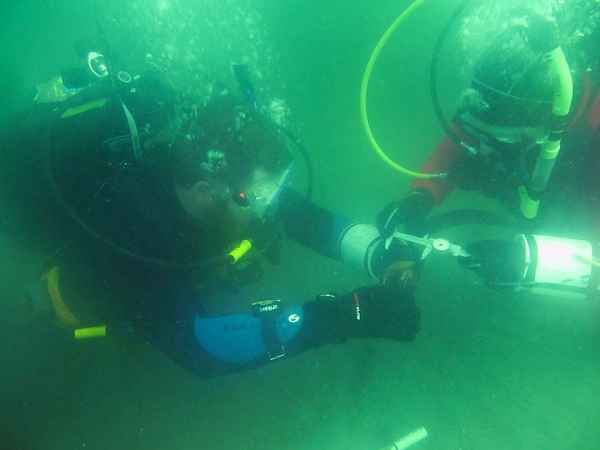
A grid helps divers inspect every inch of wall surface. The smaller tunnels are 2” in diameter, the larger tunnels are 3” in diameter.
https://habitatmooring.com/wp-content/uploads/2025/03/IMG_2844.jpeg

Measuring specimens

All specimens were carefully measured and counted. Some individual lobsters established a tunnel cavity as their home territory and were captured more than once
https://habitatmooring.com/wp-content/uploads/2025/03/IMG_0483.jpeg

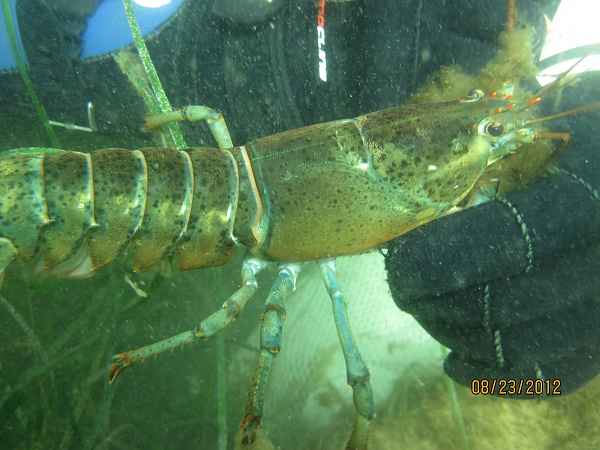
American Lobsters

American Lobsters were found in all levels of chambers on the Habitat Moorings. Adult Lobsters like the one held here, were usually found in lower chambers.
https://habitatmooring.com/wp-content/uploads/2025/03/IMG_0625.jpeg

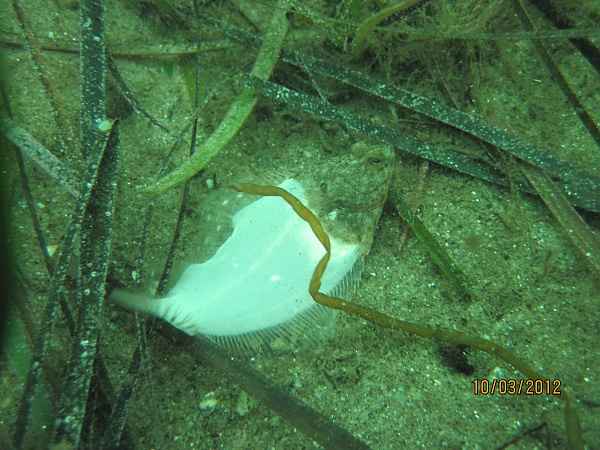
Atlantic Flounders

Atlantic Flounders, like this juvenile, were sometimes found on the flat top portion of the mooring.
https://habitatmooring.com/wp-content/uploads/2025/03/IMG_0452.jpeg

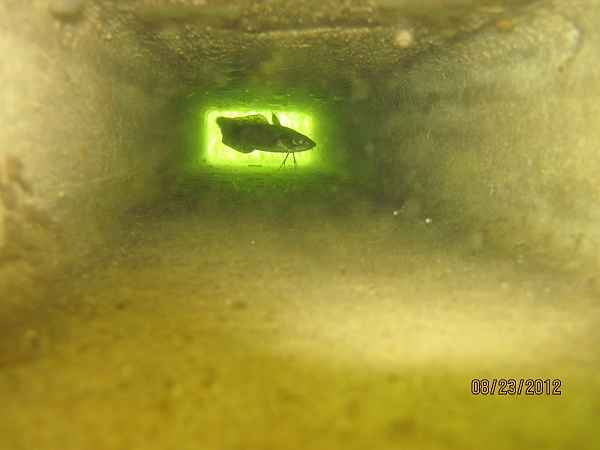
Atlantic Hake

Atlantic Hake in lower chamber. Photo credit: Lee Ann Thayer
https://habitatmooring.com/wp-content/uploads/2025/03/IMG_0464.jpeg

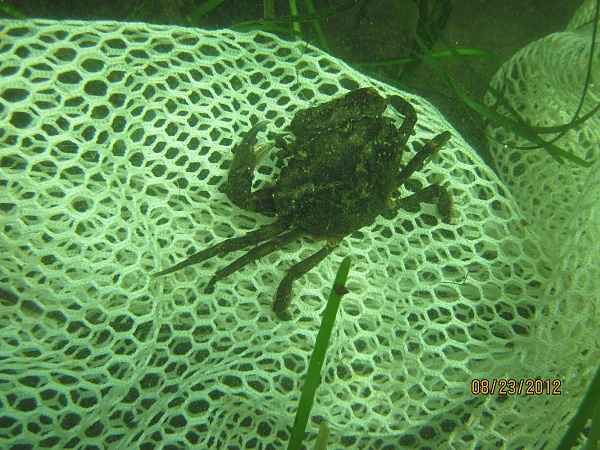
Numerous species of crabs

Over the course of the field study, 7 species of crab were recorded on the moorings.
https://habitatmooring.com/wp-content/uploads/2025/03/IMG_0478.jpeg

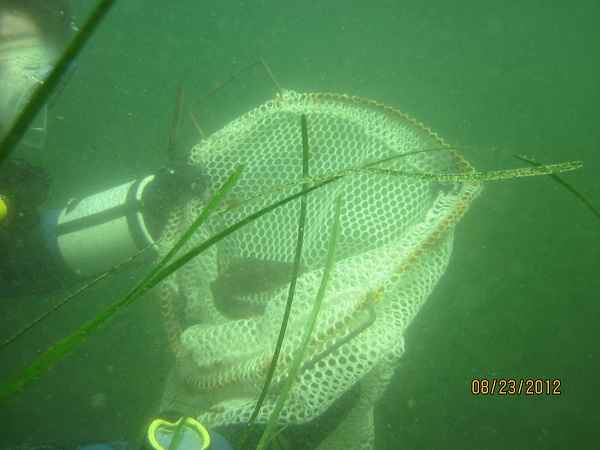
Small Atlantic Cod

Small Atlantic Cod in collection net. Amazingly, on another dive, Chris collected a 17” Atlantic Cod from one of the 3” diameter tunnels.
https://habitatmooring.com/wp-content/uploads/2025/03/IMG_0839.jpeg

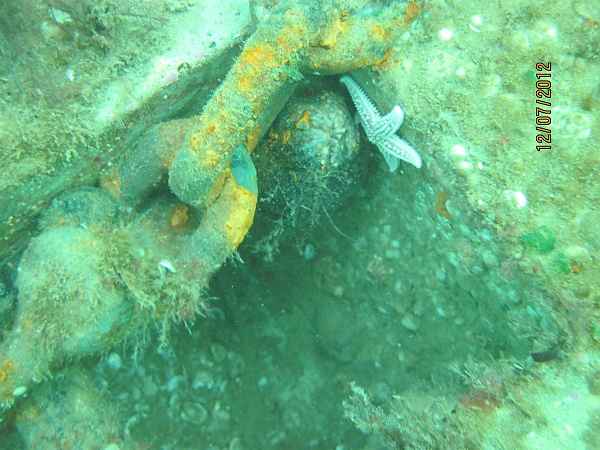
Top pocket of the mooring

The top pocket on the mooring, with recessed hitch rod and chain link, became a desirable cavity for many varieties of marine life.
https://habitatmooring.com/wp-content/uploads/2025/03/IMG_0462.jpeg

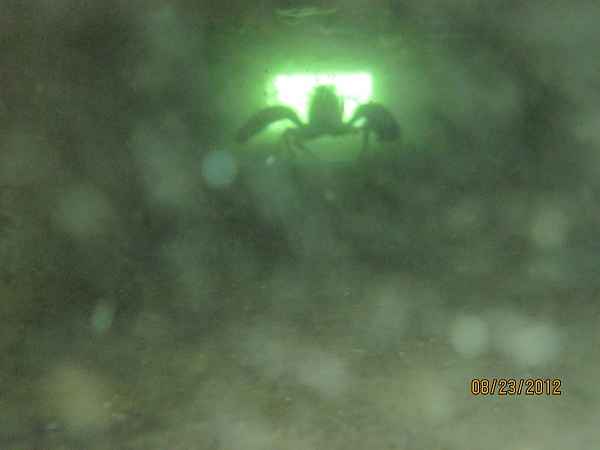
Retreat and escape

Lobsters usually retreated to deepest recesses of tunnels, or attempted to escape out the “back door” of the tunnel
https://habitatmooring.com/wp-content/uploads/2025/03/IMG_0455.jpeg

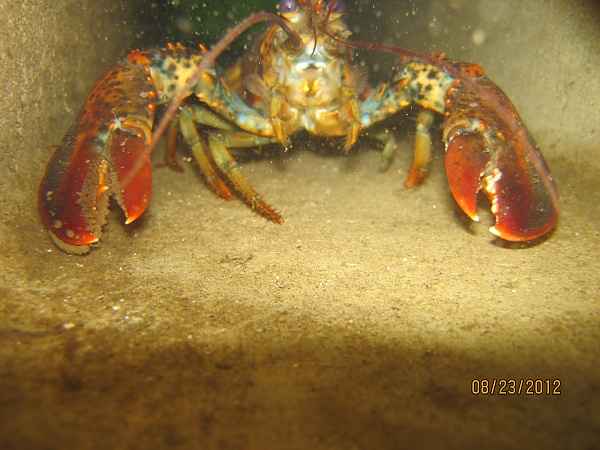
Standing his ground

Usually retreated, but not always. This guy stood his ground.
https://habitatmooring.com/wp-content/uploads/2025/03/IMG_0828.jpeg

Study site at Sand Cove

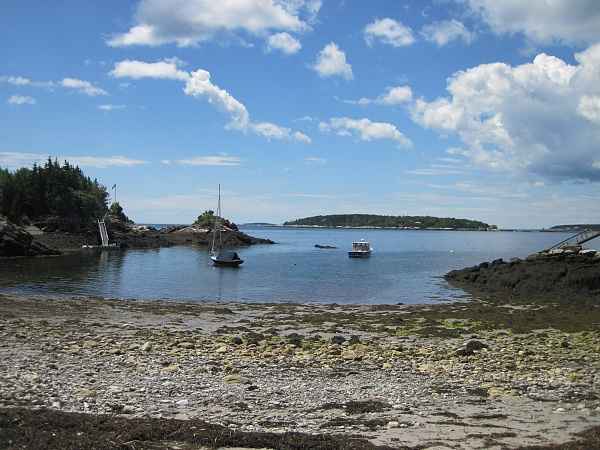
Sand Cove, near South Bristol, Maine. The Habitat Mooring is under the white float that is to the right of the lobster boat in the center of the picture. Chris and crew were able to swim out to the mooring from shore, towing their collection gear in a small raft.

© 2024 Habitat Mooring. Site by Adventure Advertising. All Rights Reserved.